
Flooring Showdown: Vinyl, Tiles, Laminate or Parquet for Singapore Homes
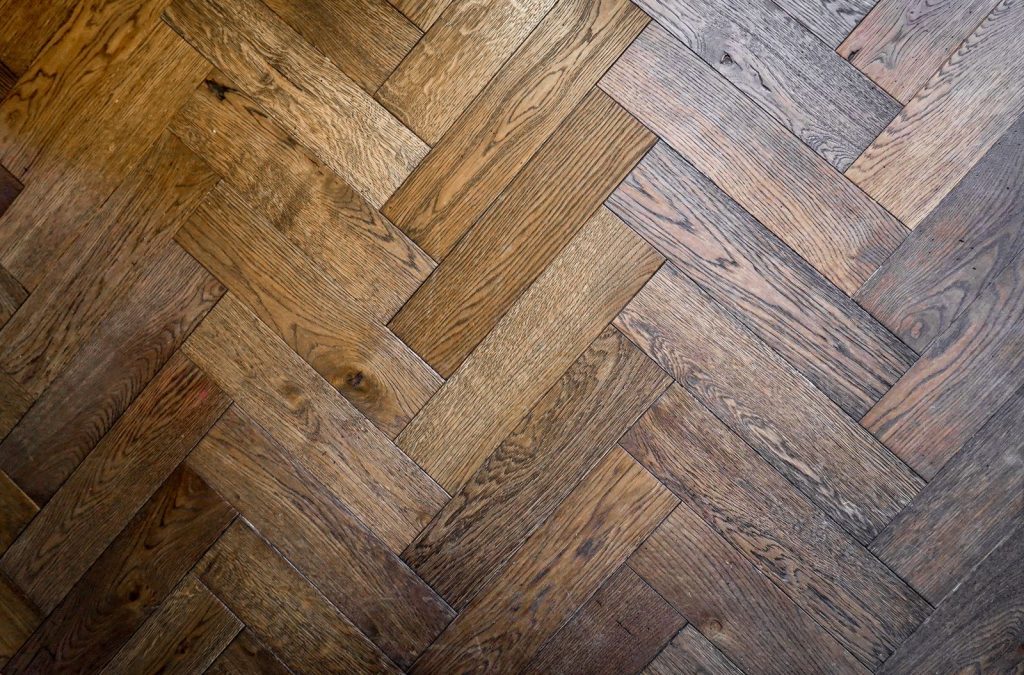
Stand in any flat-empty BTO or a stripped resale unit and the floor is the first big decision that locks in everything after it. Get it right and the home feels calm and warm the day you move in. Get it wrong and you are walking on something that scratches, sounds hollow, or curls at the edges within two monsoon seasons.
A smart flooring Singapore renovation choice is less about which material is “best” and more about which one suits your block, your budget, and the way your household actually lives. At Reno Bros we lay all four popular options every week, so here is the honest breakdown without the showroom spin.
SPC vinyl: the overlay that quietly took over HDB flats
Walk into most newly renovated 4-room flats now and you are standing on click-lock SPC vinyl. There is a reason it won. It goes down as an overlay straight over your existing floor tiles in living, dining and bedrooms: no hacking, no debris removal, and usually no HDB permit at all (as long as you leave the original screed alone). That alone can save a few thousand dollars on a typical flat.
Material plus installation lands around SGD 4 to 8 per square foot for a decent SPC, with a thin foam underlay that keeps footsteps soft. It is warm underfoot, water-resistant, and the woodgrain prints have come a long way. The caveats are honest ones: it is a print, so under raking afternoon light you can read the repeat pattern, and a dragged sofa leg dents the softer ranges. Pay the extra dollar or two psf for a thicker wear layer if you have kids or pets.
One thing we always check first. If your existing tiles are uneven or drumming hollow, vinyl telegraphs every lump, so we level it before laying. Otherwise you feel the dips through your socks.
Porcelain tiles still win the wet zones
Tiles are the workhorse Singaporeans grew up with, and large-format porcelain (think 600x1200mm or bigger) has made them feel modern again. The draw in our climate is simple: tiles stay cool underfoot, no small thing in a top-floor flat in March. They shrug off water, scratches and years of foot traffic.
The trade-off is cost and disruption. Quality porcelain runs roughly SGD 8 to 22 psf depending on range, and large slabs push labour up because they need a flatter substrate and careful handling. Re-tiling usually means hacking the old floor, which brings an HDB renovation permit, a licensed contractor from HDB’s Directory of Renovation Contractors, and hacking confined to weekday daytime hours only.
- Stay within 50mm: HDB caps total floor finish thickness (screed plus tile) at 50mm, so your contractor has to budget that height carefully.
- Wet areas need waterproofing: any new bathroom floor finish needs a fresh membrane, a 150mm upturn at the walls, and a 24 to 48 hour ponding test before tiling. That curing time cannot be rushed.
- New BTO? Hands off the toilets: the original wet-area tiles sit on HDB’s protected waterproofing system. Re-tiling there too early voids that protection.
Laminate: warm and handsome, but read the room first
Laminate gives you that warm, timber-like floor at a friendly price, and the better European boards look genuinely good. In dry living rooms and bedrooms it can be a lovely surface.
Here is where we stay firm: laminate and water do not get along. The core is a compressed wood-fibre board, so a burst pipe, a heavy-handed mopping habit, or humidity creeping into an unsealed joint can swell the edges, and once a plank lifts there is no sanding it back. Keep it away from yards, wet-dry kitchens and bathroom doorways. Love the look but want resilience? Water-resistant SPC vinyl gives you most of the warmth without the worry, often for less.
Real timber asks more of you, and of your aircon
Nothing prints quite like the real thing. Engineered wood, a genuine hardwood veneer over a stable plywood base, brings warmth, depth and a grain that ages well, which is why it shows up in nicer condos and landed homes. Expect roughly SGD 8 to 13 psf and up, climbing fast for premium species and herringbone or chevron patterns.
Humidity is the thing to respect. Solid timber moves with moisture, so engineered boards (far more dimensionally stable) are the sensible choice here, and even then you want steady aircon and a contractor who acclimatises the wood before laying. It scratches more easily than tile or good vinyl, and how often you can refinish it depends on the veneer thickness. Beautiful, but it asks for care in return.
Choosing flooring for your Singapore renovation, room by room
After enough projects, the picks sort themselves by use-case.
- Living, dining and bedrooms (HDB, fast turnaround): SPC vinyl overlay. Quiet, warm, water-tolerant, no hacking, easy on the budget.
- Households that cook hard or want it cool and bulletproof: large-format porcelain tiles, accepting the hacking, permit and waterproofing.
- Bathrooms, kitchens, yards, balconies: tiles, full stop. Not the place to gamble on laminate or wood.
- A premium condo or landed home where the floor is the statement: engineered wood or parquet, with disciplined aircon and a careful installer.
Plenty of our homeowners mix two: vinyl or wood through the dry zones, tiles in the wet ones, with a clean transition strip where they meet. Best of both, without overspending.
Flooring Singapore renovation FAQ
Do I need an HDB permit to install vinyl flooring?
Usually no. A click-lock SPC vinyl overlay that sits on your existing tiles, with no hacking and nothing touching the original screed, generally falls outside permit territory. Hack the old floor to re-tile, though, and you cross into permit-and-licensed-contractor territory, so check the scope before you assume.
How much does flooring cost per square foot in Singapore?
As a rough guide, decent SPC vinyl runs about SGD 4 to 8 psf installed, quality porcelain tiles SGD 8 to 22 psf, and engineered wood from SGD 8 to 13 psf and up. Hacking, levelling and waterproofing get added where they apply, so price the prep alongside the material.
What is the best flooring for a Singapore bathroom?
Tiles, every time. A bathroom needs a proper waterproofing membrane under a hard, fully water-resistant finish, and porcelain or ceramic tile is the only one of these four built for standing water. Laminate and timber have no business near a wet area.
Where floors actually go wrong
Get the substrate prep and the wet-area sequencing right and the floor disappears into the background, which is exactly what you want. Get cheap on the underlay or the waterproofing and you will be living with the reminder. For a second opinion grounded in real installs, browse our past projects, see our renovation services, or reach us via the contact page. You can also message Reno Bros on WhatsApp and we will talk it through.
Related Reads
- Resale HDB renovations: navigating the costs with our experts
- HDB hacking, wet works and renovation permit guide
- Custom carpentry and storage that works harder
Related Resources
Read Next
Renovation Handover and Defects Check: What to Inspect Before You Pay the Final Bill
Jul 08 Read Article →
Smart Home Done Right: What to Wire In During Your Renovation (and What to Skip)
Jul 24 Read Article →