
Executive Condo (EC) Renovation: What You Can and Cannot Do Before MOP
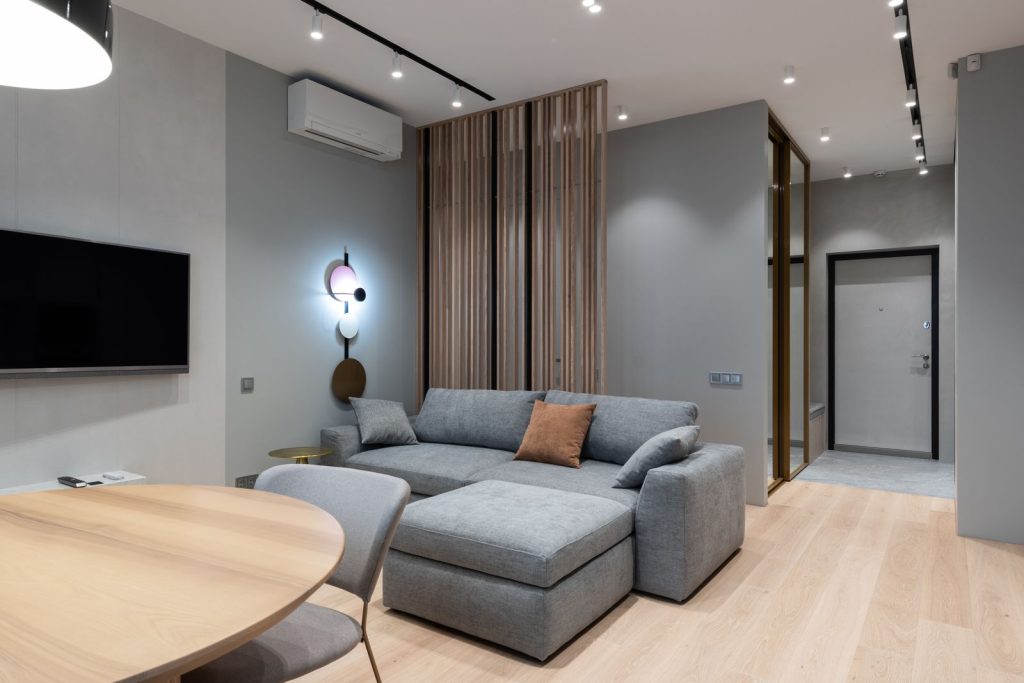
Keys collected last month. Flooring already down, sanitary ware installed, the showflat look more or less handed to you. Then your contractor asks if you’ve cleared the works with the MCST and booked the service lift, and it lands that nobody warned you an Executive Condo plays by a different rulebook from the HDB flat your parents did up. An executive condo renovation Singapore owner sits in an awkward in-between: a private development with a Management Corporation, bought under a public-housing scheme with an MOP attached. That overlap is where people trip.
At Reno Bros we see a steady run of new-EC handovers, and the same three questions come up. What can you touch now? What’s smarter to leave for later? And which “small” change quietly breaches a building by-law? Here’s the straight version.
An EC is private property with a public-housing leash
An Executive Condo is a hybrid. The finishes, the gym, the pool, the strata title are all private. But for the first stretch of ownership it behaves like subsidised housing, and the part that matters most right now is the Minimum Occupation Period (MOP).
For ECs handing over today, that MOP is five years before you can sell on the open market or rent out the whole unit. None of this stops you renovating. You can start the day you get the keys. What it changes is your time horizon. Five years of living there before any thought of selling argues for finishes built to last, not a trend-led fit-out you’ll resent by year four. SPC vinyl over glued laminate, sintered stone over a budget quartz that chips at the edge. Boring choices age well.
Why the MCST, not HDB, controls your renovation
This is the mental switch most new EC owners need to make. Your flat is no longer under an HDB renovation permit and the Directory of Renovation Contractors. It answers to your Management Corporation (MCST) and its fit-out by-laws. In practice, before a single tool comes out:
- Your contractor submits a renovation application and gets a written MCST approval letter. No letter, no site access through the gate.
- You pay a refundable renovation deposit, often in the SGD 1,000 to 3,000 range, held against damage to common property.
- The service lift gets booked and padded for deliveries, and debris leaves through the designated loading bay, never the passenger lift.
- Noisy and hacking works run set hours, commonly 9am to 5pm on weekdays, with no hacking on weekends or public holidays. Plenty of MCSTs are stricter on this than HDB ever was.
Even cosmetic jobs usually need declaring. We’ve had owners assume a flooring overlay was too minor to flag, then watched the management office freeze deliveries because the lift wasn’t booked. Read the fit-out manual before you lock a design direction. Not after.
What you can do straight away
Plenty, honestly. A new EC hands over in far better shape than a bare BTO: vinyl or timber-look flooring, fitted wardrobes in some layouts, a basic kitchen with countertop, installed sanitary ware. The non-structural work that’s fair game from day one:
- Carpentry. Wardrobes, a TV feature wall, a full-height entry cabinet, a kitchen island in laminate (Lamitak and EDL are the workhorses here) or veneer for feature panels.
- Painting the whole unit in your palette, Nippon or Dulux, low-VOC for the bedrooms.
- Lighting and curtains. Cove lighting, downlights, motorised tracks, plus gang boxes and neutral wires for smart switches while the ceiling is open.
A full carpentry-and-finishing fit-out on a new EC typically lands between SGD 35,000 and SGD 80,000, depending on unit size and how much bespoke joinery you want. Push into premium stone, smart-home wiring and a reconfigured layout, and a larger unit runs past SGD 100,000. The pre-done flooring and sanitary ware is why an EC often costs less to fit out than an equivalent resale condo.
What to hold off on, and why timing protects you
Here’s where discipline pays you back. Your new EC comes with a developer Defects Liability Period (DLP), usually 12 months from the date you take vacant possession. Inside that window the developer fixes genuine defects at no cost: hollow tiles, hairline cracks, doors that don’t shut square, waterproofing seepage.
The catch is simple. Renovate over something and you’ve effectively taken ownership of it. Hack the original bathroom tiles and the developer will, fairly, say the waterproofing is now your contractor’s problem. So our standing advice for new ECs:
- Do a proper defects inspection first. Submit the snag list and let the developer rectify before you build over those areas.
- Defer wet-area hacking (bathrooms, kitchen plumbing relocation) while the original waterproofing is still under warranty, unless the layout genuinely doesn’t work for how you live.
- If you do redo a wet area, insist on a two-coat membrane and a 24 to 48 hour ponding test before re-tiling. An inter-floor leak into the unit below is the one headache nobody wants in year one.
- Use a Licensed Electrical Worker (LEW) for any consumer-unit or major electrical work, same as a private condo.
One last EC quirk: balcony screening and window grilles. Many developments forbid full enclosure of the balcony and mandate a uniform colour and design for any screen, to keep the façade consistent. Check the by-law before you promise yourself a sealed-up balcony study. The MCST can order you to undo non-compliant work at your own cost, and they do.
Frequently Asked Questions
Can I renovate my EC before the MOP is up?
Yes. The MOP restricts selling and renting your unit, not renovating it, so you can fit out from the day you collect keys. It just means you’ll likely live with the result for a good five years, so put your money into durable finishes rather than a look that dates fast.
Is EC renovation more expensive than an HDB flat?
Per square metre it can be comparable, but two things push EC jobs up: stricter MCST logistics (lift booking, loading-bay-only debris, tighter hours) and the larger size of many EC units. The saving grace is that flooring and sanitary ware come pre-installed, so you’re not starting from a bare shell the way you would with a BTO.
How is an EC renovation different from a private condo?
On the worksite, almost identical. Both answer to an MCST and its fit-out by-laws rather than HDB. The real differences sit on the ownership side: the MOP, the restriction on selling to PRs and foreigners until the unit privatises, and resale eligibility. None of it touches the building work, but it should shape how long-term you plan.
How we’d sequence your EC fit-out
Plan around the building, not against it. We read the MCST fit-out manual first, slot the messy works inside the approved hours, protect the lift and corridors so your deposit comes back in full, and stage wet-area works around the defects warranty. Take a look at our past projects, see our renovation services, or get in contact for a walk-through. You can also message Reno Bros on WhatsApp with your handover date and we’ll map out the timeline.
Related Reads
- Condo Renovation Guide: Rules, Timelines and Design Wins
- The 2026 Guide to Renovation Costs and Budgeting
- Kitchen Design Guide for HDB and Condo Homes
Related Resources
Read Next

Interior Design Singapore Carpentry Guide: Custom Storage That Works Harder
Mar 28 Read Article →
Quartz vs Sintered Stone vs Solid Surface: Choosing a Kitchen Countertop in Singapore
Jun 15 Read Article →