Renovating for Multi-Generational Living: Ageing-in-Place Without the Hospital Look
Three generations under one roof is back, and not by accident. Couples move parents in to help with the grandkids, or to keep an eye on a mum whose knees aren’t what they were. The flat that worked for two suddenly has to work for a toddler and an 80-year-old, and the bathroom that felt fine for years becomes the one room everyone quietly worries about.
The fear most people bring us is that an ageing-in-place renovation in Singapore will turn a lovely home into a clinic. Stainless rails everywhere, white plastic, that institutional look. It doesn’t have to. At Reno Bros we’ve done plenty of these for multi-generational households, and the good ones are invisible. A guest walks in and sees a beautiful home. Only later, if they think about it, do they notice how easy everything is to use.
Start with the bathroom, because that’s where the falls happen
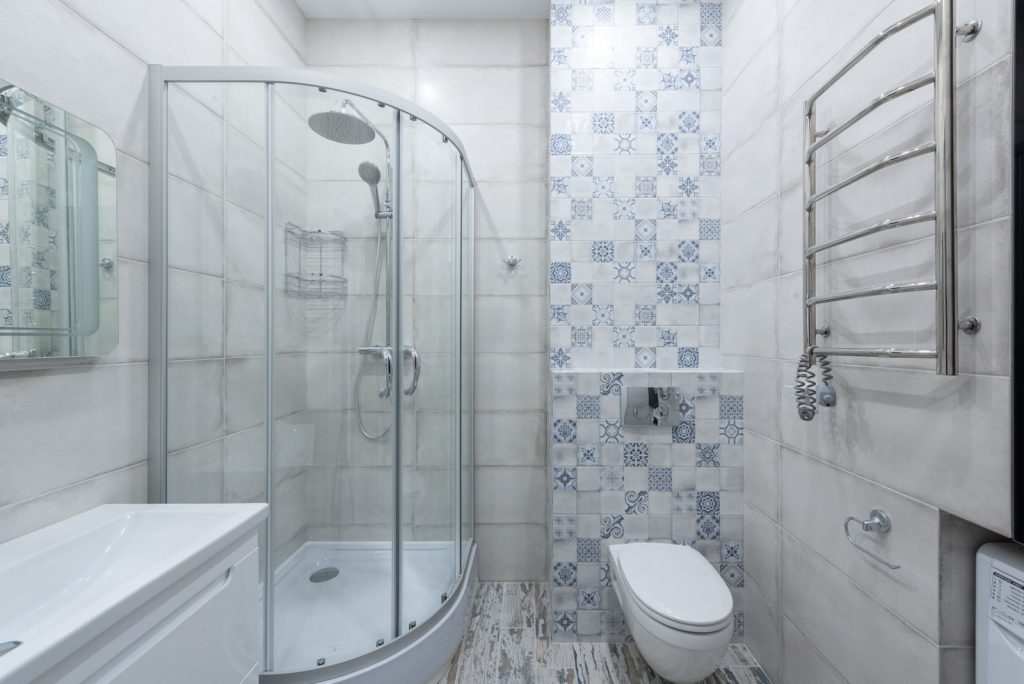
Most serious home falls among older Singaporeans happen in the wet areas. Soap, water, a step over a kerb, a turn made too quickly. So this is where the money goes first, and where good design earns its keep.
The single biggest move is a curbless, level-entry shower. No lip to step over, no hidden trip point, water managed by a proper floor gradient and a long linear drain instead of a raised threshold. Pair it with the right floor and you’ve solved the core problem.
- Anti-slip flooring that still looks good. Matte large-format porcelain with a slip rating of R10 to R11 for the wet zone reads as a designer choice, not a safety afterthought. No shiny polished tiles in a senior’s bathroom, ever.
- Tastefully integrated grab bars. Forget the chrome hospital rail. Matte black or brushed brass bars in the same finish as your tapware look intentional, and a horizontal bar doubling as a towel rail or a folding shower seat reads as fittings, not aids.
- A comfort-height WC. A pan seated around 450mm high, versus the standard 380 to 400mm, makes sitting and standing far gentler on the knees. Nobody but the user ever notices.
- Lever taps and a thermostatic mixer. Lever or sensor taps need no grip strength, and a mixer capped at a safe temperature removes the scald risk for someone slow to react.
Doorways, thresholds and the route through the home
Accessibility isn’t only the bathroom. It’s whether a walking frame, and one day perhaps a wheelchair, can move through the flat without a fight. A standard HDB internal door opening is often around 700mm, which is tight. Widening key doorways to a clear 850mm or so, and removing the small raised thresholds between rooms so the floor runs level throughout, makes the whole home navigable.
Think of it as one continuous, even surface from the front door to the bedroom. We plan this early, during layout, because moving a doorway after the carpentry is in is painful and dear.
Light it for ageing eyes
By around 60, the eye needs roughly two to three times more light than it did at 20, and it handles glare far worse. Good lighting for older residents is one of the cheapest, highest-impact things we do, and it never looks medical because layered light is just good design.
- Brighter, even ambient light with no dark patches, especially along corridors and at the bathroom and bedroom doors.
- Contrast that helps depth perception. A WC or grab bar a shade darker than the wall behind it is far easier to locate; floor and skirting in slightly different tones stop the floor reading as one flat plane.
- Motion-sensor lighting for the night route to the toilet, so nobody crosses a dark flat at 3am feeling for a switch.
Tap the EASE programme before you pay full price
This is the part many families miss. HDB’s EASE programme, Enhancement for Active Seniors, subsidises exactly these senior-friendly works, and the subsidy is generous, up to 95 per cent of the cost for eligible households.
EASE covers slip-resistant treatment to floor tiles in up to two bathrooms, grab bars, and ramps for level access of up to five locations in the flat or at the main door. To qualify, you’ll generally need a Singapore Citizen flat owner and a household member aged 65 and above, or aged 60 to 64 who needs help with daily activities. From 2026 the scheme is being widened to reach more private and condo homes too, so it’s worth checking your eligibility before assuming you’re out.
One honest caveat: EASE is for those specific standard items, fitted to HDB’s spec. The tasteful, finish-matched version, the curbless shower, the wider doorways, the lighting rework, sits inside your wider renovation. The smart play is to claim what EASE covers and design the rest around it so it all reads as one coherent home.
Make it a home that grows with everyone
The best ageing-in-place work serves the whole household, not just the eldest member. A bench at the entrance helps Grandma put her shoes on and gives the kids somewhere to dump their bags. A curbless shower is the easiest place in the world to wash a toddler. Lever taps suit small hands and arthritic ones alike.
We renovated a four-room resale for a family of three generations last year. The daughter’s brief was blunt, she wanted somewhere safe for her father after a hip operation, but begged us not to make it look like a nursing home. We did a level-entry shower in warm stone-look porcelain, brushed-brass grab bars matched to the tapware, a comfort-height WC, and a folding teak shower seat. Her father uses every bit of it. Visitors say the bathroom looks like a boutique hotel. Both things are true, and that’s the whole point.
Frequently Asked Questions
How much does an ageing-in-place renovation cost in Singapore?
It varies with how much you change. Standard senior-friendly items, grab bars, anti-slip treatment and ramps, can be heavily subsidised under HDB’s EASE programme, up to 95 per cent for eligible households. A fuller bathroom rework with a curbless shower, comfort-height WC and matched finishes typically runs into the low-to-mid five figures, depending on size and materials.
Can you make an elderly-friendly home that doesn’t look like a hospital?
Yes, and that’s the goal of every ageing-in-place renovation we do in Singapore. Choose grab bars in brushed brass or matte black to match the tapware, matte anti-slip tiles instead of clinical white, integrated shower seats and good layered lighting. Done well, the safety features read as design choices, not medical fittings.
What is the HDB EASE programme and who qualifies?
EASE, Enhancement for Active Seniors, is an HDB scheme that subsidises senior-friendly works such as slip-resistant tile treatment, grab bars and ramps, covering up to 95 per cent of the cost for eligible households. You’ll generally need a Singapore Citizen flat owner plus a household member aged 65 or older, or 60 to 64 needing help with daily activities. Check current eligibility with HDB before applying.
Plan it once, and plan it kindly
A multi-generational home is worth getting right the first time, because redoing wet works later is costly and hard on the very people you’re protecting. Have a look at our past projects to see how safe and beautiful sit together, browse our full range of renovation services, or reach us through the contact page. Want to talk it through for your own family? Message Reno Bros on WhatsApp and we’ll help you plan a home that looks after everyone in it.
Related Reads
- Bathroom Renovation Tips for a Safer, Smarter Home
- Resale HDB Renovations: Navigating Costs With Interior Design Experts
- Ideas for 4-Room HDB Flats That Feel Bigger