Pet-Friendly Home Renovation: Designing a Singapore Flat Your Dog or Cat Will Love
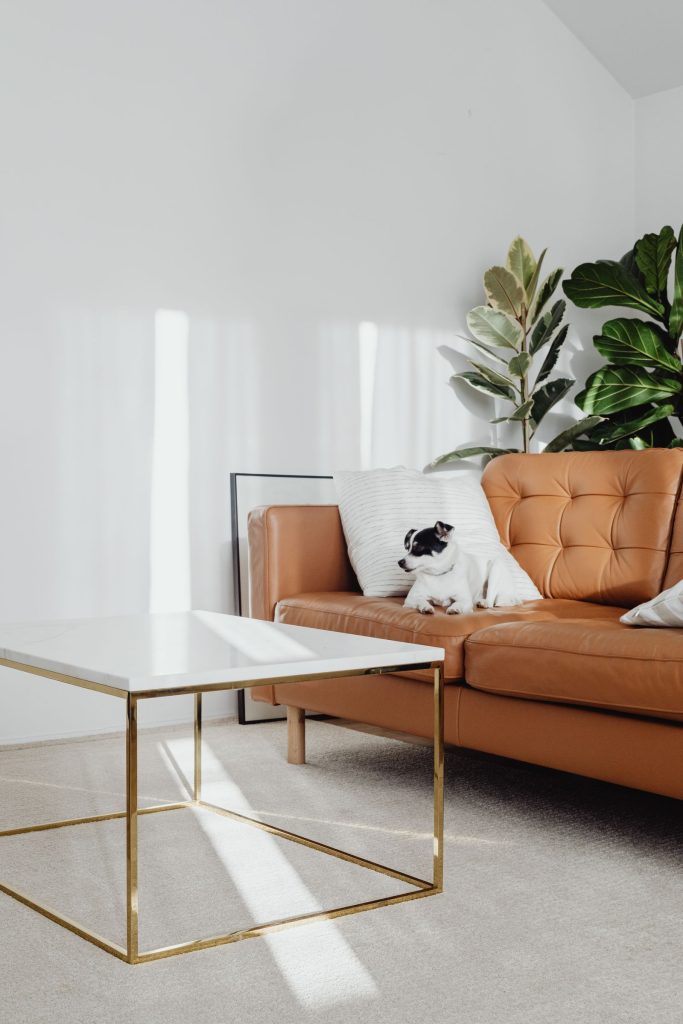
Anyone who has watched a Pomeranian take a corner at full speed across a freshly laid laminate floor knows the truth: your flat and your pet are in a long negotiation, and right now the pet is winning. Scratched skirtings. A sofa that smells faintly of dog. A litter tray wedged behind the toilet door because there was nowhere else for it to go.
A proper pet-friendly home renovation in Singapore fixes most of that before you even move the furniture in. That, in short, is what a pet-friendly home renovation Singapore homeowners actually need: smarter material choices and a few built-ins, not a separate, pricier scope of work. At Reno Bros we get asked about it more than you would think, usually halfway through a kitchen discussion when someone mentions the cat. Here are the moves that actually hold up.
Start with the floor in your pet-friendly renovation
Claws and soft flooring do not mix. Solid laminate and traditional parquet scratch and dent, and parquet hates the humidity if your pet has the odd accident. For dogs and cats, SPC vinyl is the one I keep recommending. It is a rigid stone-composite plank, water-resistant, quiet underfoot, and it shrugs off claw marks far better than wood-look laminate. Pricing sits roughly in the S$3.50 to S$7.50 psf range depending on thickness and wear layer. Spend a little more here. Ask for a wear layer of at least 0.5mm (around 20 mils) if you have an active dog, because that top layer is the part doing the scratch resistance.
The other strong option is large-format porcelain tile. Cool underfoot, which both you and a panting dog will appreciate in this climate, and almost impossible to scratch. The trade-off is hardness for older pets and the fact that laying it usually means hacking the existing floor plus a fresh waterproofing layer in wet zones, so it adds cost and a few days. SPC, by contrast, can often go down as an overlay with no hacking.
- Best all-rounder: SPC vinyl, matte or low-sheen finish (gloss shows every scratch and paw smudge)
- Most durable: large-format porcelain tile, especially in the living and dining zone
- Avoid: soft laminate, real-wood parquet, and high-gloss anything
Fur gets into everything, so pick surfaces you can wipe
Fur gets everywhere. Plan for it. Performance fabrics and tight-weave outdoor-grade upholstery resist snags and clean up with a damp cloth, which matters a lot more than the showroom swatch you fall in love with. Leather and good faux leather work too, though determined cats will treat them as a scratching surface, so pair them with a proper scratching post nearby.
For carpentry, laminate finishes earn their keep. Brands like Lamitak and EDL carry textured woodgrains and fluted profiles that look warm but wipe clean and tolerate the odd knock. I would keep delicate real-wood veneer for feature panels well above nose-and-tail height, not on a TV console that a Labrador’s tail sweeps past forty times a day.
One small thing from doing these jobs: matte, mid-tone laminates hide hair and minor scuffs between cleans. Pure white and very dark glossy units show every strand.
Build the pet’s gear into the carpentry so it disappears
This is where a renovation beats buying things off a shelf. The litter tray, the feeding station, the leash hook, the storage for kibble and toys, all of it can be designed in so your flat does not turn into a pet shop.
- Hidden litter nook: a ventilated cabinet at the end of a vanity or service-yard run, with a cat-sized cut-out entrance and a removable panel for cleaning. Keeps smell and stray litter contained.
- Feeding drawer: a pull-out at the base of the kitchen island with recessed bowls, so the water dish is not a tripping hazard in the walkway.
- Under-stair or bomb-shelter-adjacent storage for food, grooming kit and the carrier you only need four times a year.
- A low open shelf or window perch for cats, who will claim the highest warm spot in the flat regardless of your plans.
None of this costs much on its own. It is carpentry you were likely doing anyway, just thought through with the animal in mind. Reckon on a few hundred dollars added to a cabinet run for the litter nook and feeding drawer combined, far less than retrofitting later.
High-rise safety comes before anything pretty
This is the non-negotiable part. Cats slip through gaps you would swear were too small, and Singapore sees genuinely tragic high-rise falls every year. If you have a cat, every window and the balcony need protection with a cat-safe gap of 1.5 inches or less, whether that is mesh, invisible grilles or aluminium grilles.
Invisible grilles, usually 316-grade stainless cable, suit our humidity and keep the view. They are typically installed as non-permanent fixtures, which sits comfortably with HDB’s window and pet guidelines, though it is always worth confirming current rules for your block. Pet mesh screens are the cheaper route and work well on windows and the kitchen service yard. Budget for this early, while the walls are open. And have a quiet word with your electrician: tuck wiring and trunking out of chewing reach, and skip trailing cables at floor level wherever you can.
The HDB pet rules people get wrong
Worth getting straight, because people assume more freedom than they have. In an HDB flat you may keep one approved dog from roughly 62 small breeds under the Housing and Development (Animals) Rules, generally up to 40cm at the shoulder and 10kg in weight. That 40cm and 10kg ceiling is the part most people miss. Larger Singapore Specials, the local mixed-breeds, can go up to 55cm at the shoulder, but only through the separate Project ADORE adoption scheme, which dropped its old 15kg weight cap back in March 2020. The two are not the same allowance, so do not assume a standard approved dog can be that tall.
Cat owners got good news recently: under the new Cat Management Framework, HDB now allows up to two licensed cats per flat. Private condos answer to their own MCST by-laws, so check those if you are not in an HDB.
One design footnote: keep your greenery pet-safe. Common houseplants like pothos, monstera and lilies are toxic to cats and dogs, so if you are planning a plant corner, pick species that will not send anyone to the emergency vet.
FAQ
How many pets can I keep in an HDB flat?
You may keep one approved dog from the roughly 62 small breeds listed under the Housing and Development (Animals) Rules. Cats are now allowed too: under the Cat Management Framework, HDB permits up to two licensed cats per flat. Private condos follow their own MCST by-laws.
What is the best flooring for dogs and cats in Singapore?
SPC vinyl is the all-rounder I keep recommending. It is a rigid stone-composite plank, water-resistant, quiet and far more scratch-resistant than wood-look laminate, at roughly S$3.50 to S$7.50 psf. Large-format porcelain tile is the most durable, though harder underfoot for older pets.
What window gap is safe for cats?
Aim for a cat-safe gap of 1.5 inches or less on every window and the balcony, whether you use mesh, invisible grilles or aluminium grilles. Cats slip through gaps that look far too small, and high-rise falls in Singapore are sadly common, so treat this as non-negotiable.
Do invisible grilles comply with HDB rules?
Invisible grilles, usually 316-grade stainless cable, are typically installed as non-permanent fixtures, which sits comfortably with HDB’s window and pet guidelines. Rules can change by block and over time, so confirm the current requirements with your town council or HDB before installation.
Planning a pet-friendly home renovation in Singapore: where to start
Most pet owners only call us after the floor is already scratched and the litter tray is living behind the toilet door. Easier to bake all of this in from day one. If you would like to see how we have worked these details into real homes, browse our past projects, read up on our full-home renovation services, or contact the team to talk through your flat. Easiest of all, message Reno Bros on WhatsApp and tell us a bit about your home and your pet.
Related Reads
- Interior design Singapore: ideas for 4-room HDB flats that feel bigger
- Custom carpentry storage that works harder
- Bathroom renovation tips for a safer, smarter home
Related Resources
{
“@context”: “https://schema.org”,
“@type”: “FAQPage”,
“mainEntity”: [
{
“@type”: “Question”,
“name”: “How many pets can I keep in an HDB flat?”,
“acceptedAnswer”: {
“@type”: “Answer”,
“text”: “You may keep one approved dog from the roughly 62 small breeds listed under the Housing and Development (Animals) Rules. Cats are now allowed too: under the Cat Management Framework, HDB permits up to two licensed cats per flat. Private condos follow their own MCST by-laws.”
}
},
{
“@type”: “Question”,
“name”: “What is the best flooring for dogs and cats in Singapore?”,
“acceptedAnswer”: {
“@type”: “Answer”,
“text”: “SPC vinyl is the all-rounder I keep recommending. It is a rigid stone-composite plank, water-resistant, quiet and far more scratch-resistant than wood-look laminate, at roughly S$3.50 to S$7.50 psf. Large-format porcelain tile is the most durable, though harder underfoot for older pets.”
}
},
{
“@type”: “Question”,
“name”: “What window gap is safe for cats?”,
“acceptedAnswer”: {
“@type”: “Answer”,
“text”: “Aim for a cat-safe gap of 1.5 inches or less on every window and the balcony, whether you use mesh, invisible grilles or aluminium grilles. Cats slip through gaps that look far too small, and high-rise falls in Singapore are sadly common, so treat this as non-negotiable.”
}
},
{
“@type”: “Question”,
“name”: “Do invisible grilles comply with HDB rules?”,
“acceptedAnswer”: {
“@type”: “Answer”,
“text”: “Invisible grilles, usually 316-grade stainless cable, are typically installed as non-permanent fixtures, which sits comfortably with HDB’s window and pet guidelines. Rules can change by block and over time, so confirm the current requirements with your town council or HDB before installation.”
}
}
]
}